A Clear Set of Tabs for Calm Habits

What shared work on food routines can look like

What This Is and Isn't

This is an advisory guide about food routines and steady habits. It is not medical advice, treatment, or a diagnosis of any condition.

Nutrition work is a shared process. It requires dialogue, adaptation, support, and responsibility on both sides. We work together—not as prescription, but as partnership.

What We Offer

Guidance, not guarantees. Steady work, not quick fixes. We help you build routines that fit your real life, without extremes or unsustainable demands.

Our focus is on clarity: understanding how your daily choices affect your rhythm, energy, and ease. We talk about food as part of life, not as a problem to solve.

Important Notice: The information presented on this site is provided exclusively for informational purposes and does not constitute medical advice, diagnosis, or treatment. If you have specific health concerns or conditions, please consult with a qualified healthcare professional before making changes to your nutrition or lifestyle.


The Process

Nutrition work follows a clear rhythm. Understanding each step helps both of us stay focused and intentional.

  • 1. Clarify – We talk about your routines, goals, and what matters to you. No judgment, just understanding.
  • 2. Observe – You notice patterns in your choices, energy, and habits. Small details become visible.
  • 3. Adjust – Together, we make small, realistic changes that fit your life. Not perfection, just progress.
  • 4. Support – You know I'm here to help you navigate challenges, answer questions, and adapt as needed.
  • 5. Review – We check in on what's working and what needs adjustment. This is ongoing, not one-time.

Each step builds on the last. You're not alone in this work—we adjust together based on what's real and what's possible for you.

Day Pressure: When Choices Get Hard

Some days are harder than others. Work stress, time pressure, emotional fatigue—these things shape what we eat and how we feel about food.

This is normal. This is human. And it's part of what we talk about.

When Day Pressure Rises

On difficult days, your food choices might change. You might eat more, less, or differently than planned. This isn't failure—it's adaptation to real circumstances.

What matters is noticing what happened, understanding why, and planning ahead for the next time pressure builds. We work with reality, not against it.

Building Ease Into Your Routine

One of my roles is helping you design routines that feel manageable even on hard days. Simple meals, easy choices, and realistic expectations matter more than perfection.

When you have structure that actually works for your life, day pressure affects you less. That's the goal: routines so clear and calm that they hold steady when life gets difficult.

Supermarket Lane: Buying for Real Life

The supermarket is where intention meets reality. What you buy shapes what you eat, and what you eat shapes how you feel.

Shopping for real life means buying things you'll actually enjoy, that fit your budget, that work with your schedule. Not what you think you should buy. What you will actually use.

What Real Shopping Looks Like

A realistic shopping list includes:

  • ✓ Foods you enjoy eating
  • ✓ Quick options for tired days
  • ✓ Things that feel good in your body
  • ✓ A mix of planned meals and flexibility

The Shared Work at the Shop

Your job is to notice what you actually buy and enjoy. My job is to help you think through choices that support your goals without adding stress.

Together, we build a shopping rhythm that works. Not restrictive, not chaotic—just steady and real.

Practice: Everyday UK Scenes

Nutrition isn't abstract. It lives in everyday moments: at your kitchen table, in the supermarket aisle, preparing lunch, eating out with friends, sharing dinner at home.

These scenes show what steady, calm food routines actually look like in practice.

Person writing a shopping list at home

Writing a Shopping List at Home

This is where intention begins. You sit down, think about your week, and write down what you'll actually need. Not what you think you should buy—what you'll genuinely use.

A good list is specific, realistic, and reflects your actual life: your schedule, your preferences, your budget.

Person choosing groceries in a supermarket aisle

Choosing Items in a Supermarket Aisle

You're here with your list, looking at options. Some choices are quick. Some take a moment of thought. That's all normal.

The work is staying calm, reading labels if it helps, and choosing things that match your plan. No rush, no pressure—just steady choosing.

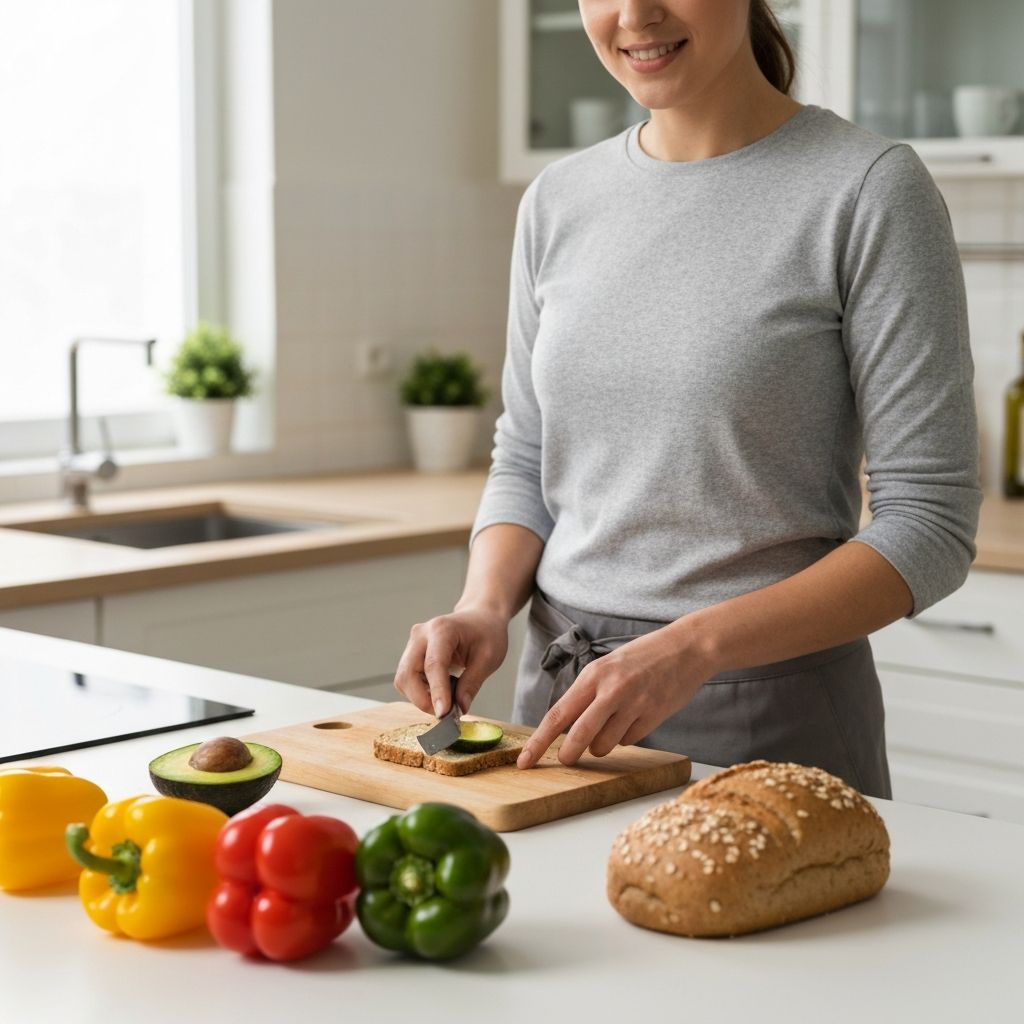
Person preparing a simple lunch at home

Preparing a Simple Lunch at Home

You're in your kitchen, putting together lunch for the day or the week. Nothing complicated—just real food, prepared simply.

This is where the work becomes visible. Your choices, your timing, your rhythm. Simple prep means you eat better without stress.

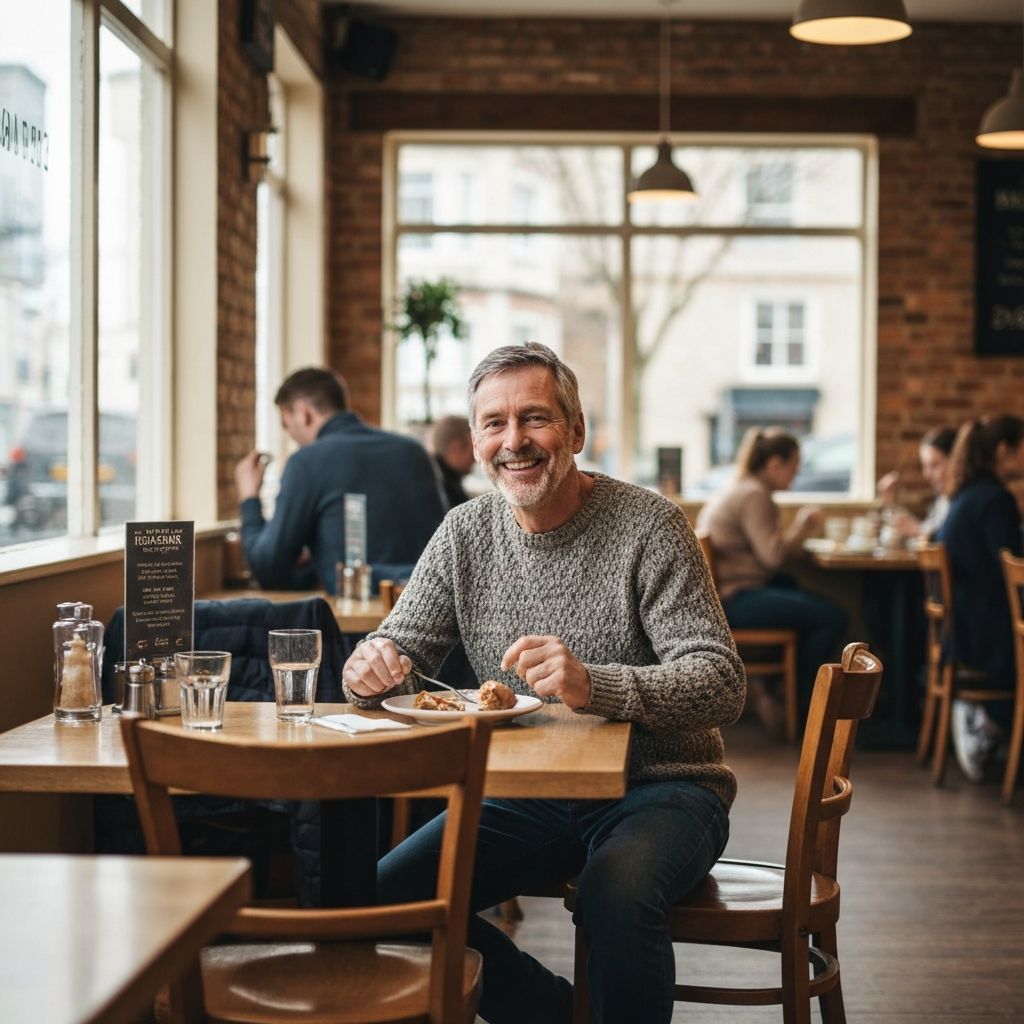
Person enjoying a relaxed lunch at a UK café

A Relaxed Café Lunch

You're out, enjoying lunch somewhere calm. You've thought about what you'd order, and now you're simply eating and being present.

Eating out doesn't need to be complicated. With a little planning and clarity about what you want, it becomes just another normal meal.

Two people sharing dinner at home

Sharing Dinner at Home

Food is social. Sharing a meal at home—with family, friends, or someone you care about—is where the real purpose of food becomes clear.

This is nourishment, connection, and ease all at once. Not overthinking it, just sharing something good.

Lunch Out, Without Overthinking

Eating out doesn't need to be a moment of anxiety or overthinking. With a little clarity and planning, it becomes just another meal.

Before You Go

  • ✓ Check the menu ahead if it helps you feel calm
  • ✓ Know roughly what you might want to order
  • ✓ Remember: you're allowed to choose what feels good

When You're There

You look at the menu. You notice what appeals to you. You order it. You eat and enjoy it with whoever you're with.

That's it. No analysis, no guilt, no overthinking. Just a normal meal, shared with real people, in a real moment.

After

You notice how you felt during and after. Did it feel good? What did you enjoy? What might you do the same way next time?

This reflection is part of learning what works for you. It's not judgment—it's observation.

About Us

Pipelinrfd is a nutrition-focused advisory blog project dedicated to supporting steady, sustainable food routines built on partnership.

We believe that nutrition work is not a one-way prescription—it's dialogue. It requires adaptation, ongoing support, and shared responsibility.

Our Approach

We focus on clarity over certainty. On what's real over what's ideal. On building routines that fit your actual life, without extremes or unsustainable demands.

There are no quick fixes here. There are no medical promises. There is only honest, practical guidance about food, routines, and the kind of steady work that actually lasts.

What We Don't Do

We don't diagnose. We don't treat. We don't promise results. We don't work in isolation—we work with you, listening, adapting, and supporting you through the process.

What We Do

We help you understand your own patterns. We guide you toward choices that feel sustainable. We support you through the hard days. We celebrate progress, however small.

This is the shared work of building better food routines—one day, one choice, one conversation at a time.

Weekend Continuity

The weekend is different from the week, but your routines don't disappear. They shift, they relax, but they stay.

Weekends are where you notice what's really sustainable. What feels good without pressure. What connects you to the work you've been building all week.

Reflection Questions for Your Weekend

  • What felt easy about your eating this week?
  • What moments stood out as calm or enjoyable?
  • Where did you feel pressure, and what would help next week?
  • What's one small thing that worked well that you want to keep?
  • What does steady, sustainable food work feel like to you?

These aren't tests. They're invitations to notice. The more you understand your own patterns, the clearer your choices become.

Get in Touch

Information Notice: This form is used for informational updates and enquiries only. We do not sell products directly. Your information will be kept confidential and used only for communication purposes related to our advisory services.
Thank you for your message. We'll be in touch soon.